
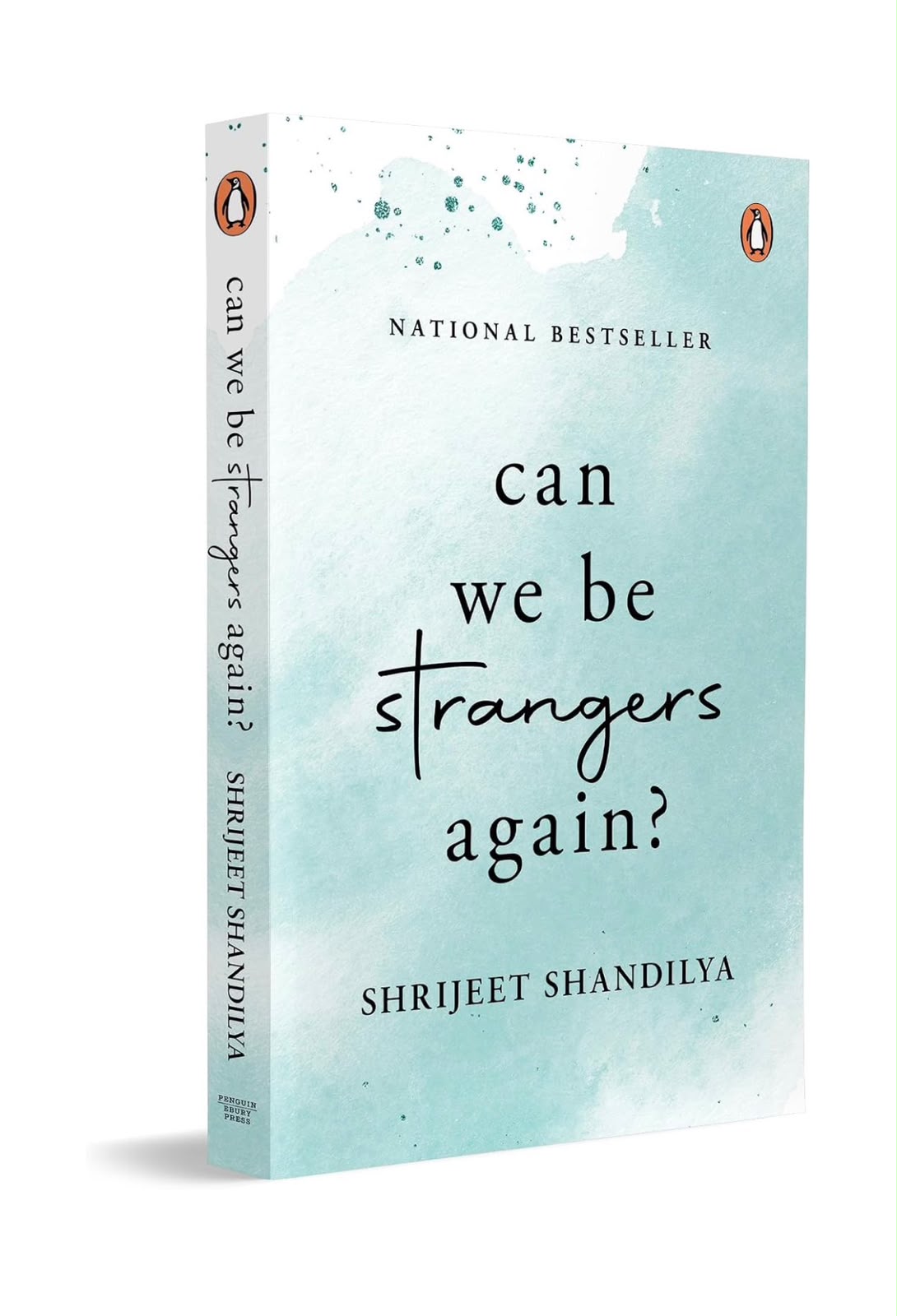
Can We Be Strangers Again?
There are some connections that become an important part of our lives. We share conversations, memories, laughter, dreams, and countless small moments with someone, believing that the connection will always remain. But sometimes, circumstances change, people grow apart, and a relationship that once felt familiar becomes distant. Then comes the difficult question: Can we be strangers again?
This heartfelt title explores the complicated emotions that come with changing relationships and the process of moving forward. Becoming strangers with someone you once knew deeply can feel strange. You may remember how naturally you once talked, how easily you understood each other, and how ordinary moments became meaningful simply because you experienced them together.
When a relationship changes, it is natural to look back and wonder where things became different. You may remember old conversations, shared experiences, and promises that once seemed important. These memories can bring happiness, sadness, or a mixture of emotions. They remind us of a chapter that once mattered and shaped a part of our journey.
Can We Be Strangers Again? is not only about losing a connection. It is also about understanding that people and relationships can change. Sometimes two people simply move in different directions. Sometimes life creates distance that neither person expected. Whatever the reason, accepting change can be one of the hardest parts of growing.
The title invites readers to think about what it really means to know someone. Can we truly become strangers again after sharing so many memories? Even if conversations stop and paths separate, the experiences we shared can remain part of our personal story. A person may no longer be present in our everyday life, but the lessons and memories connected to them can continue to influence us.
Moving forward does not require forgetting. You can appreciate what once existed while accepting that it has changed. Holding on to the past too tightly can make it difficult to appreciate the present. Sometimes, peace comes from recognizing that not every relationship is meant to remain the same forever.
This journey also teaches us about acceptance. We cannot control every change in our lives or decide how another person feels. What we can control is how we respond. We can choose to learn from our experiences, respect the changes that have happened, and continue building our own future.
There may be moments when you wish you could return to the way things were. But life rarely moves backward. Instead, it gives us opportunities to learn, grow, and create new chapters. Every experience—whether joyful or difficult—can teach us something about ourselves and the people we value.
Can We Be Strangers Again? encourages readers to look at relationships with honesty and compassion. Not every ending needs anger, and not every distance needs an explanation. Sometimes, accepting that things have changed is enough.
The memories we carry do not have to become a source of pain. They can become reminders of growth, lessons learned, and moments that once brought meaning to our lives. The past can remain valuable without controlling the future.
At the heart of this message is a simple truth: people may leave our everyday lives, but their influence can remain through the experiences we shared. Saying goodbye to a chapter does not erase its importance.
Sometimes, moving forward means accepting that you cannot return to what once was. It means appreciating the memories, learning from the experience, and finding the courage to continue.
Can we be strangers again? Maybe not completely. But we can become stronger, wiser, and ready to write a new chapter of our own story.


Reviews
There are no reviews yet.